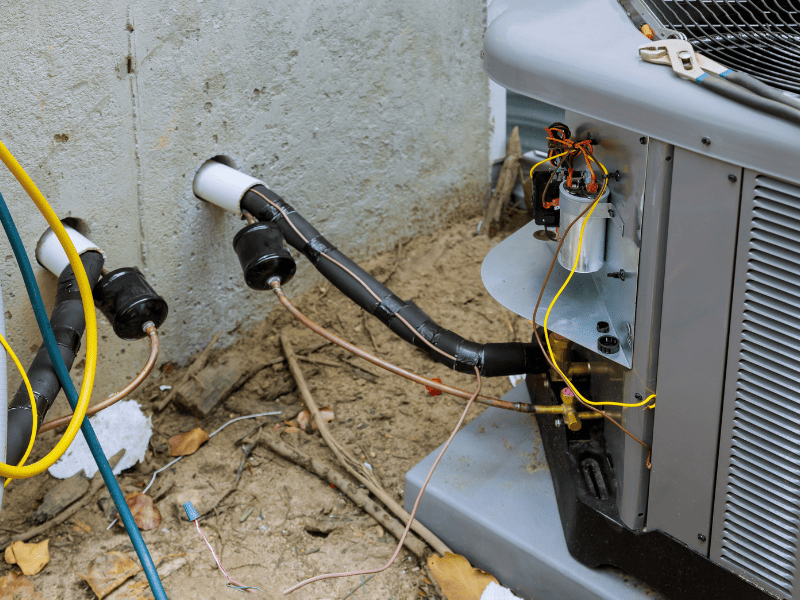
When it comes to heating, ventilation, and air conditioning (HVAC) systems, many homeowners and businesses in the USA face an important question: What is the true cost of installing and maintaining an HVAC system? Understanding this helps you budget wisely and avoid unexpected expenses.
1. Initial Purchase and Installation Costs
The upfront cost of an HVAC system varies widely depending on the type, size, and brand you choose. On average:
- A basic central air conditioner or furnace can cost between $3,000 to $7,000 including installation.
- More advanced or energy-efficient models, such as heat pumps or variable-speed units, may range from $7,000 to $12,000 or more.
- Installation complexity also influences cost — homes with ductwork issues or unique layouts may require additional work, increasing expenses.
2. Energy Consumption and Operating Costs
The ongoing energy cost to run your HVAC system can significantly impact your monthly utility bills. Factors influencing this include:
- The efficiency rating of your unit (measured by SEER, AFUE, or HSPF). Higher efficiency units cost less to operate but come with a higher upfront price.
- Your local climate — colder northern states may have higher heating bills, while southern states see larger cooling expenses.
- How well your home is insulated and sealed also affects energy consumption.
3. Maintenance and Repairs
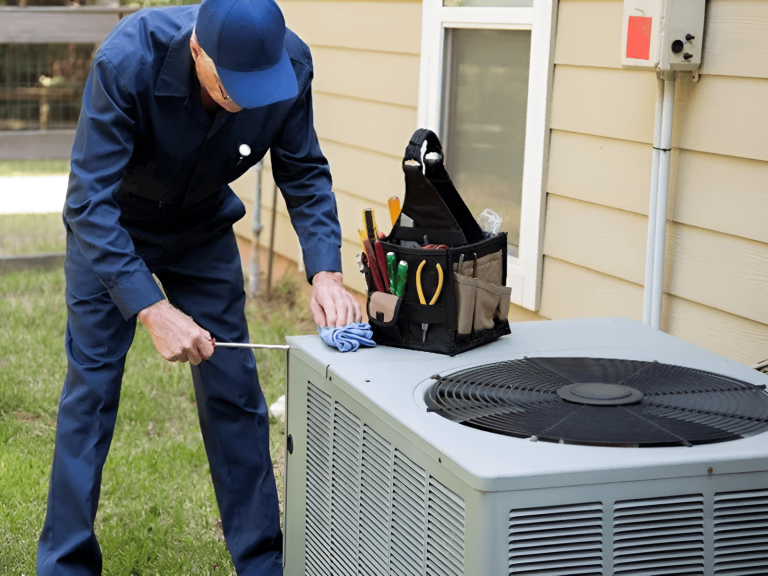
Regular maintenance is essential to keep HVAC systems running efficiently and prolong their lifespan. Typical costs include:
- Annual tune-ups costing around $100 to $300 to check filters, refrigerant levels, and system performance.
- Repairs can vary from small fixes ($150-$500) like replacing thermostats or sensors to major repairs (over $1,000) such as compressor or blower motor replacements.
Neglecting maintenance can lead to costly breakdowns and reduced efficiency.
4. Lifespan and Replacement Costs
Most HVAC systems last about 10 to 15 years. Eventually, you will face replacement costs, which should be factored into your long-term budget. Choosing quality equipment and scheduling regular maintenance can maximize system longevity.
5. Additional Costs to Consider
- Ductwork installation or repairs if your home lacks proper ventilation infrastructure.
- Smart thermostats or zoning systems for better control and energy savings.
- Permits and inspections depending on local regulations.
- Rebates or tax credits that may reduce your net cost if you install energy-efficient equipment.
Final Thoughts
While the initial price tag of an HVAC system may seem high, it’s important to consider all factors including energy costs, maintenance, and lifespan. Investing in a quality, energy-efficient system and routine maintenance not only improves comfort but can save money over time.
If you’re considering a new HVAC installation or replacement in the USA, consulting with certified local professionals will help you get the best value tailored to your climate and home needs.

Hi, this is a comment.
To get started with moderating, editing, and deleting comments, please visit the Comments screen in the dashboard.
Commenter avatars come from Gravatar.